
Events
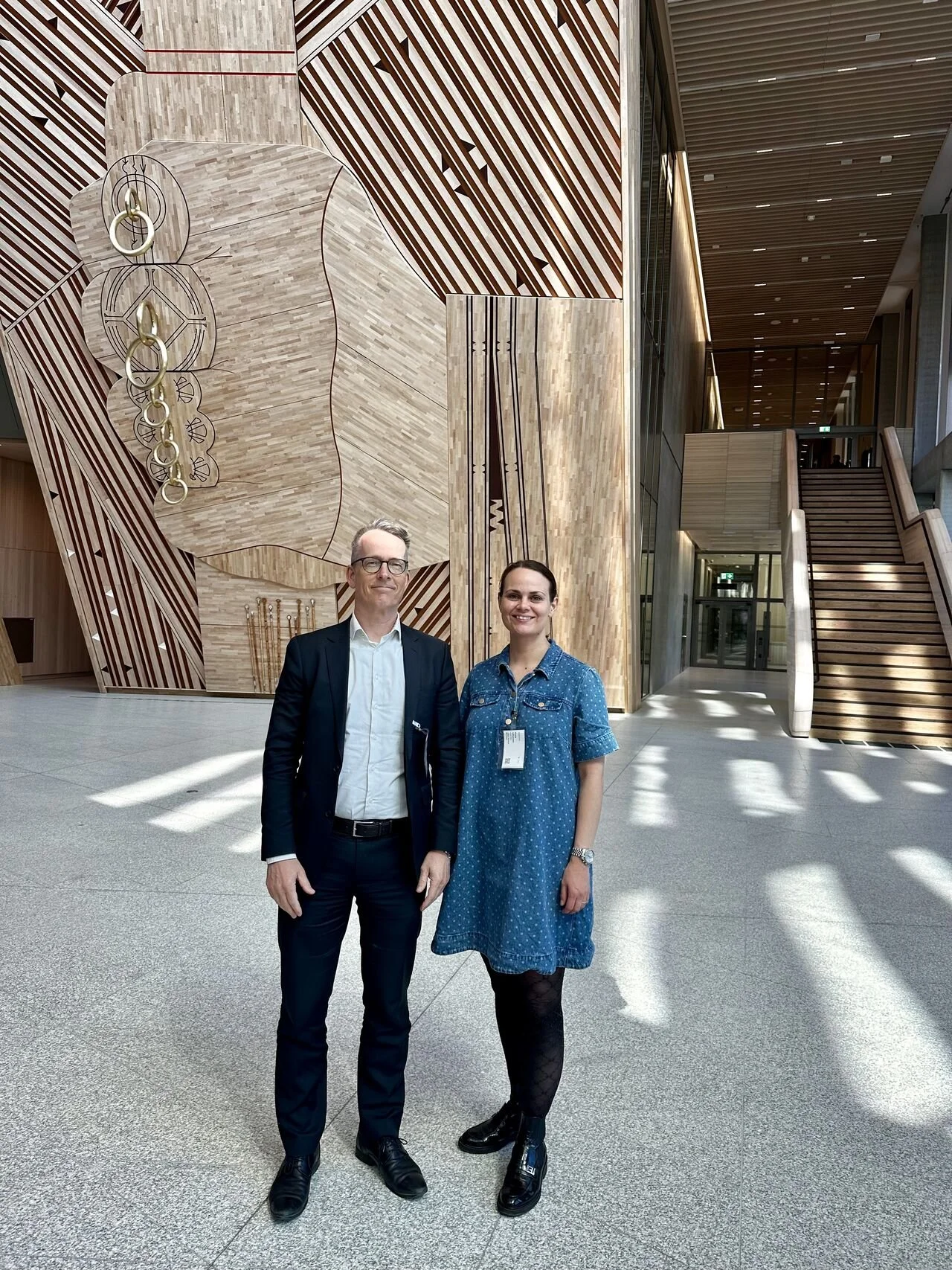
Briefing at the Norwegian Ministry of Foreign Affairs
As part of the final phase of the Mind the Gap project, Professor Sten Rynning and Assistant Professor Anne Ingemann Johansen visited the Norwegian Ministry of Foreign Affairs to present key findings from more than eighteen months of fieldwork within the Danish and Norwegian foreign ministries and NATO delegations.
The briefing focused on the project's overarching findings regarding the interaction between security policymakers and external expertise in Denmark and Norway. The discussion generated considerable interest and subsequently led the Norwegian Ministry of Foreign Affairs to commission a policy memorandum from the research team, drawing on the project's findings and international experiences to inform future dialogue on research–policy engagement.
The visit marked the conclusion of an extensive period of fieldwork and formed an important step in translating the project's research into policy dialogue while laying the groundwork for future academic publications and continued collaboration.
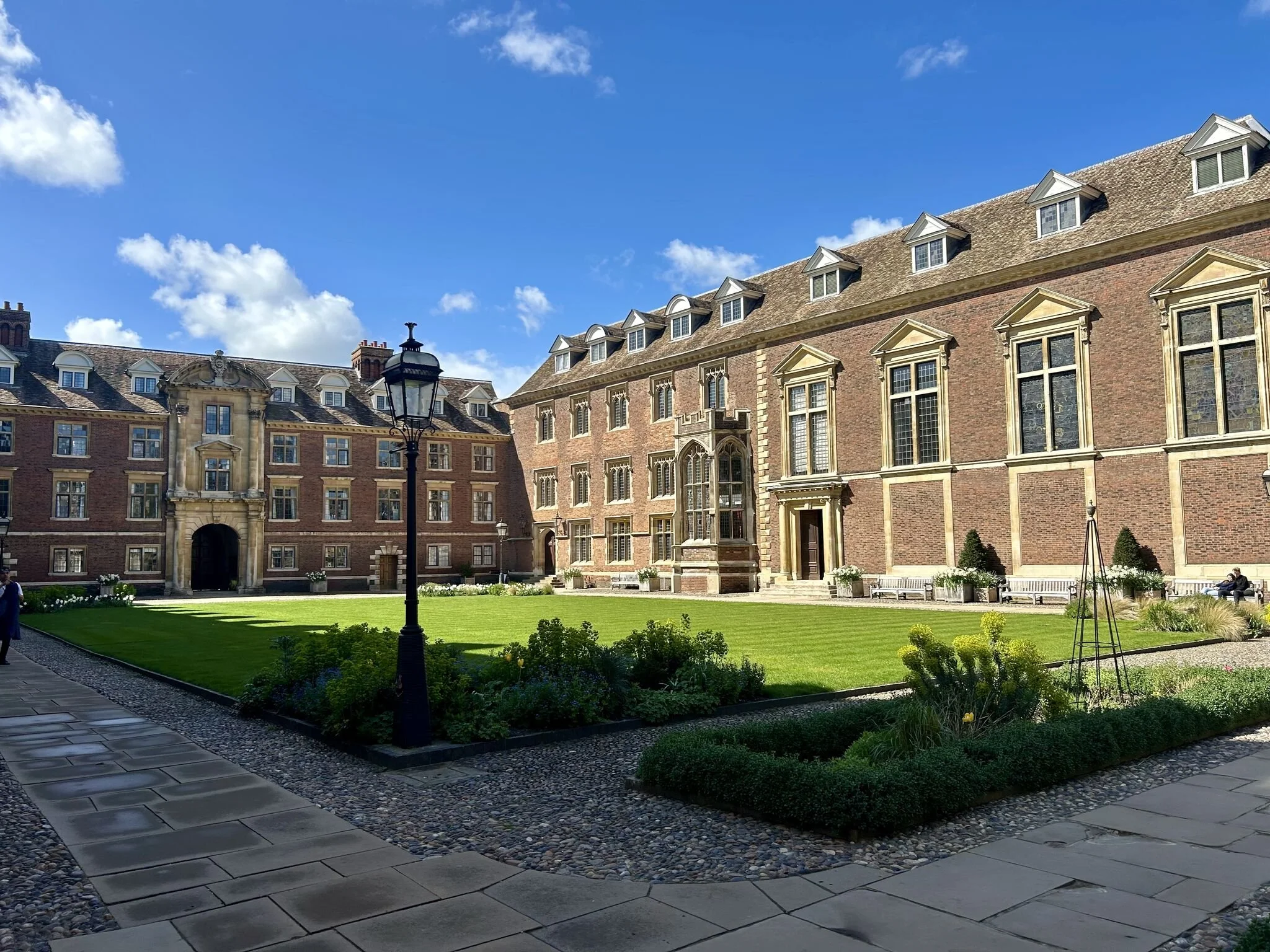
Symposium and Research Visit at the University of Cambridge
Professor Sten Rynning and Assistant Professor Anne Ingemann Johansen visited the University of Cambridge's Centre for Geopolitics to participate in the symposium 1945 in the Baltic and its Legacies, which brought together leading international scholars to examine how the end of the Second World War continues to shape the geopolitics and security of the Baltic region today.
Alongside the symposium, the visit provided an opportunity to strengthen research collaboration with colleagues at the Centre for Geopolitics. Discussions focused on future joint research on Nordic-Baltic geopolitics and regional security, building on the growing partnership between the Centre for War Studies at the University of Southern Denmark and the University of Cambridge.
The visit formed an important step in expanding the international research network surrounding the Mind the Gap project while also laying the foundation for future collaborative research beyond the project itself.
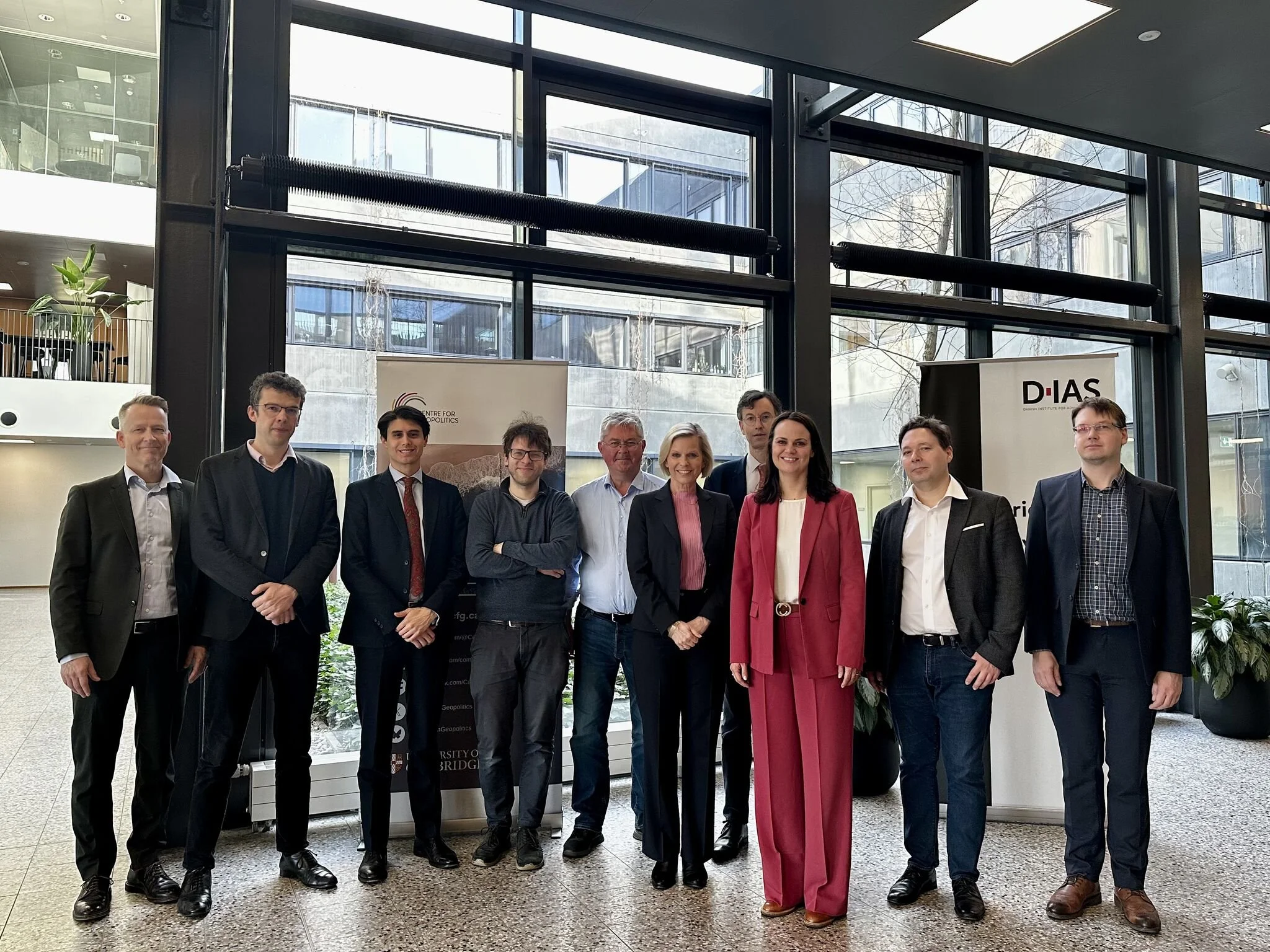
International Workshop: Resisting Bufferhood – Security Transformation and Small-State Agency in the Nordic-Baltic Region
Building on insights developed through the Mind the Gap project, Assistant Professor Anne Ingemann Johansen convened the international workshop Resisting Bufferhood: Security Transformation and Small-State Agency in the Nordic-Baltic Region, generously funded by the Carlsberg Foundation and co-hosted by the Centre for War Studies and the Danish Institute for Advanced Study (DIAS) at the University of Southern Denmark. The workshop was organised in close collaboration with the Centre for Geopolitics at the University of Cambridge.
While Mind the Gap examined how Danish and Norwegian policymakers navigate an increasingly unstable European security environment and engage with external expertise, the workshop explored how these broader geopolitical changes are reshaping the Nordic-Baltic region. Bringing together leading scholars from across Europe, discussions focused on the region's changing strategic role, the emergence of collective Nordic-Baltic agency through formats such as the NB8, and the opportunities and challenges associated with new forms of regional security cooperation.
The workshop marked the beginning of a new international research collaboration extending the intellectual trajectory of the Mind the Gap project. Since the workshop, participants have jointly developed a proposal for a special issue on Contested Bufferhood, which examines how the Nordic-Baltic states are responding collectively to a changing European security order and what this tells us about the evolving role of small states in regional security politics. The special issue proposal is edited by Anne Ingemann Johansen, Donatas Kupčiūnas, and Trevelyan Wing and brings together contributions from many of the workshop participants.
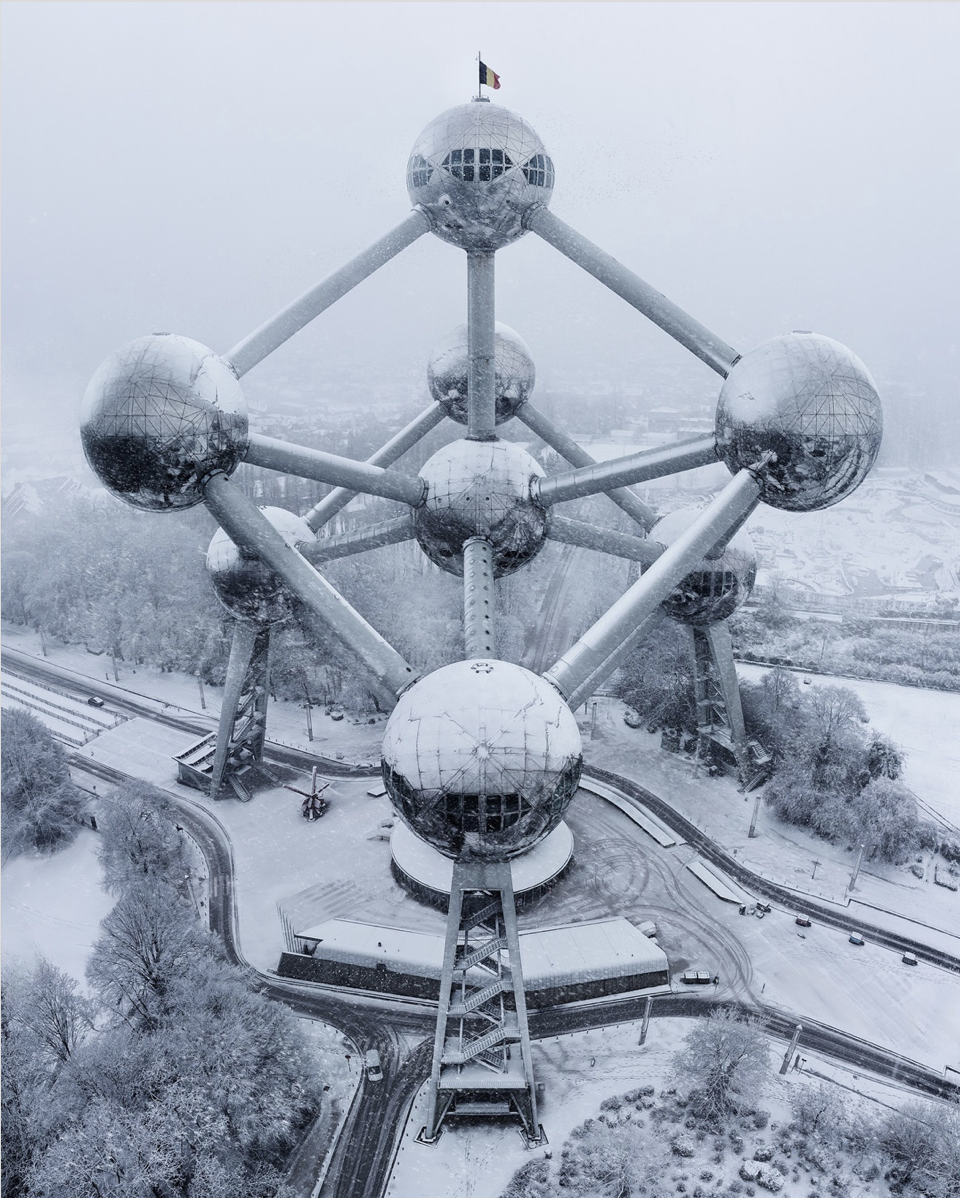
Book workshop in Brussels
In snowy Brussels, on January 5, 2026, three Mind the Gap analysts met to draw an initial roadmap for the project’s concluding book. The analysts were Jamie Shea, Rasmus Mariager, and Sten Rynning.
The book will take stock of the interaction between national security expertise and national security policy — connecting the dots of the project, like the hubs of the Brussels Atomium.
As always, the anchor points will be NATO and the two allies, Denmark and Norway. The book, which will be co-authored by the three analysts, will look broadly at the nature of NATO policy-making and how small allies, and not least small allies’ national security experts, can shape policy decisions and thinking.
The team will meet on several occasions through 2026 to write this book. Thus, stay tuned!

Visiting Research Stay at Cambridge University’s Center for Geopolitics
As part of the Mind the Gap project, Anne Ingemann Johansen undertook a research stay as Visiting Researcher at the Centre for Geopolitics, hosted by the University of Cambridge from 11-19 October 2025.
The research stay provided an opportunity to advance her ongoing work on Ukraine while also developing ideas for a new comparative research agenda on Security Transformation and Small-State Agency in the Nordic-Baltic Region.
Beyond individual research, the visit was explicitly oriented towards strengthening institutional cooperation between the University of Southern Denmark (SDU) and the University of Cambridge. Meetings and discussions focused on developing shared analytical frameworks and identifying concrete avenues for collaboration through the Baltic Geopolitics Network, of which SDU is now an active participant. This includes plans for joint workshops, publication-oriented activities, and closer engagement between scholars working on Nordic–Baltic security and European geopolitics.
The Centre for Geopolitics provided an intellectually rich environment that bridges historical scholarship and contemporary policy debates — closely mirroring Mind the Gap’s ambition to connect academic research with policy-relevant expertise. Conversations with Cambridge-based scholars reinforced the value of sustained, in-person exchange for building durable research partnerships and advancing comparative perspectives on European security.
The research stay was generously supported by Independent Research Fund Denmark through the Mind the Gap project and contributes directly to the project’s longer-term goal of anchoring SDU more firmly in international research networks linking academia and policy.
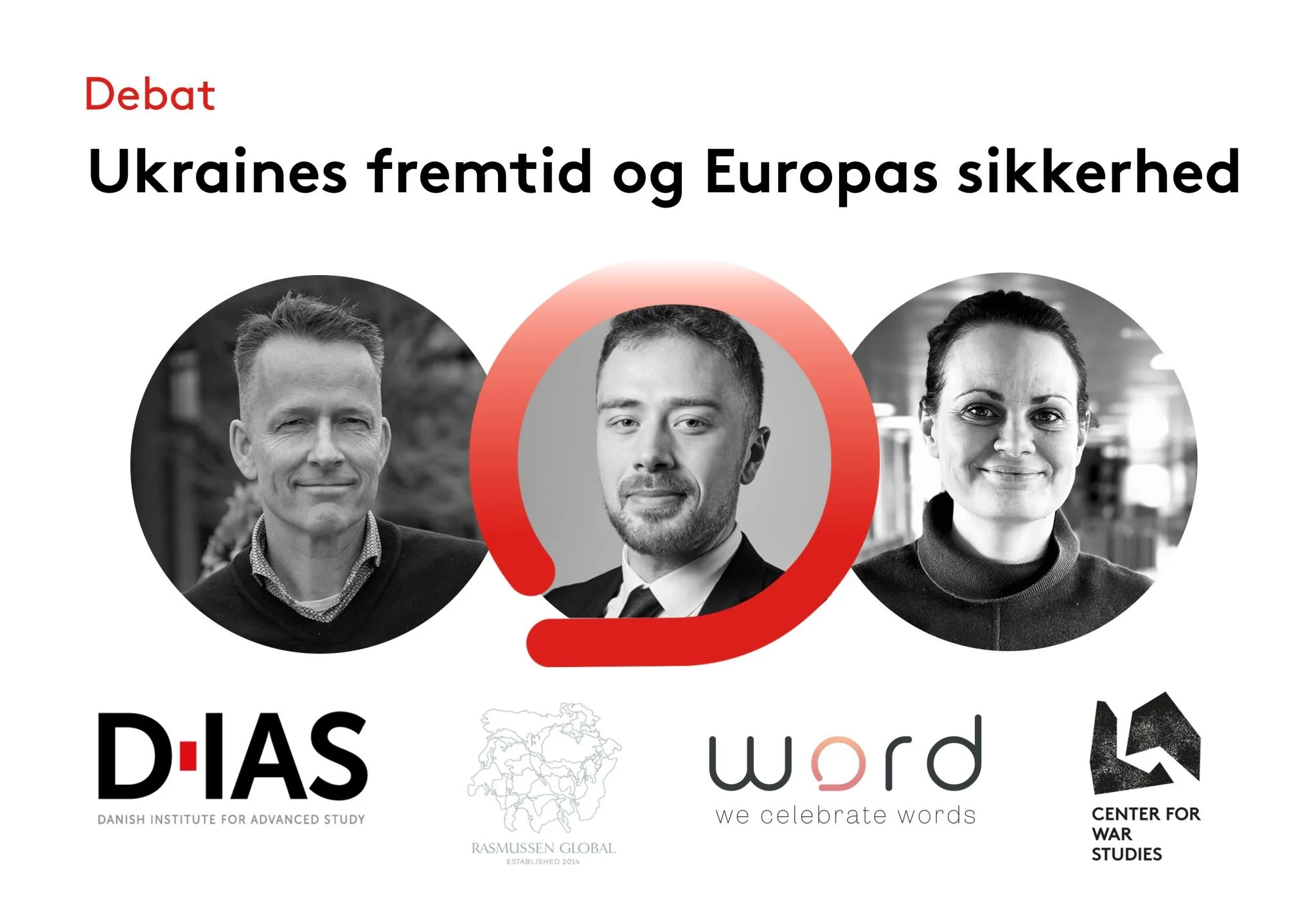
Bridging Research, Practice, and Public Debate: Europe’s Security After Ukraine
As part of the Mind the Gap research project, our colleagues Sten Rynning and Anne Ingemann Johansen joined forces with policy practitioner and advisor to the Ukrainian government, Phillip Kjær Luscombe from Rasmussen Global, to engage a broader public in a timely debate on Europe’s security future after the war in Ukraine.
Held on 22 September 2025 in the historic setting of Odense Adelige Jomfrukloster, the event explored how Europe is navigating a new geopolitical reality marked by great-power rivalry, uncertainty about the post-war order, and intense diplomatic bargaining over Ukraine’s future. The discussion exemplified Mind the Gap’s core ambition: to translate cutting-edge security research into accessible public debate — without losing analytical depth.
Sten Rynning analysed how NATO’s role is evolving under pressure from both war fatigue and renewed deterrence demands, highlighting the strategic dilemmas facing European allies in a less predictable alliance environment. Anne Ingemann Johansen placed the war in a longer historical perspective, showing how Ukraine’s repeated attempts to balance between East and West continue to shape both the conflict and Europe’s security choices. From the practitioner’s side, Phillip Kjær Luscombe offered insight into ongoing negotiations and policy debates, illustrating how strategic considerations are translated into real-world diplomatic trade-offs.
The discussion demonstrated how dialogue between scholars and practitioners can enrich public understanding of security policy — by connecting theory, history, and policy practice. Audience questions underscored a strong demand for nuanced analysis of what peace might look like after Ukraine, and what it will mean for Europe’s security architecture more broadly.
The event was organized in collaboration with Word Festival and forms part of Mind the Gap’s ongoing efforts to bridge the divide between academic research, policy practice, and public debate on European and international security.
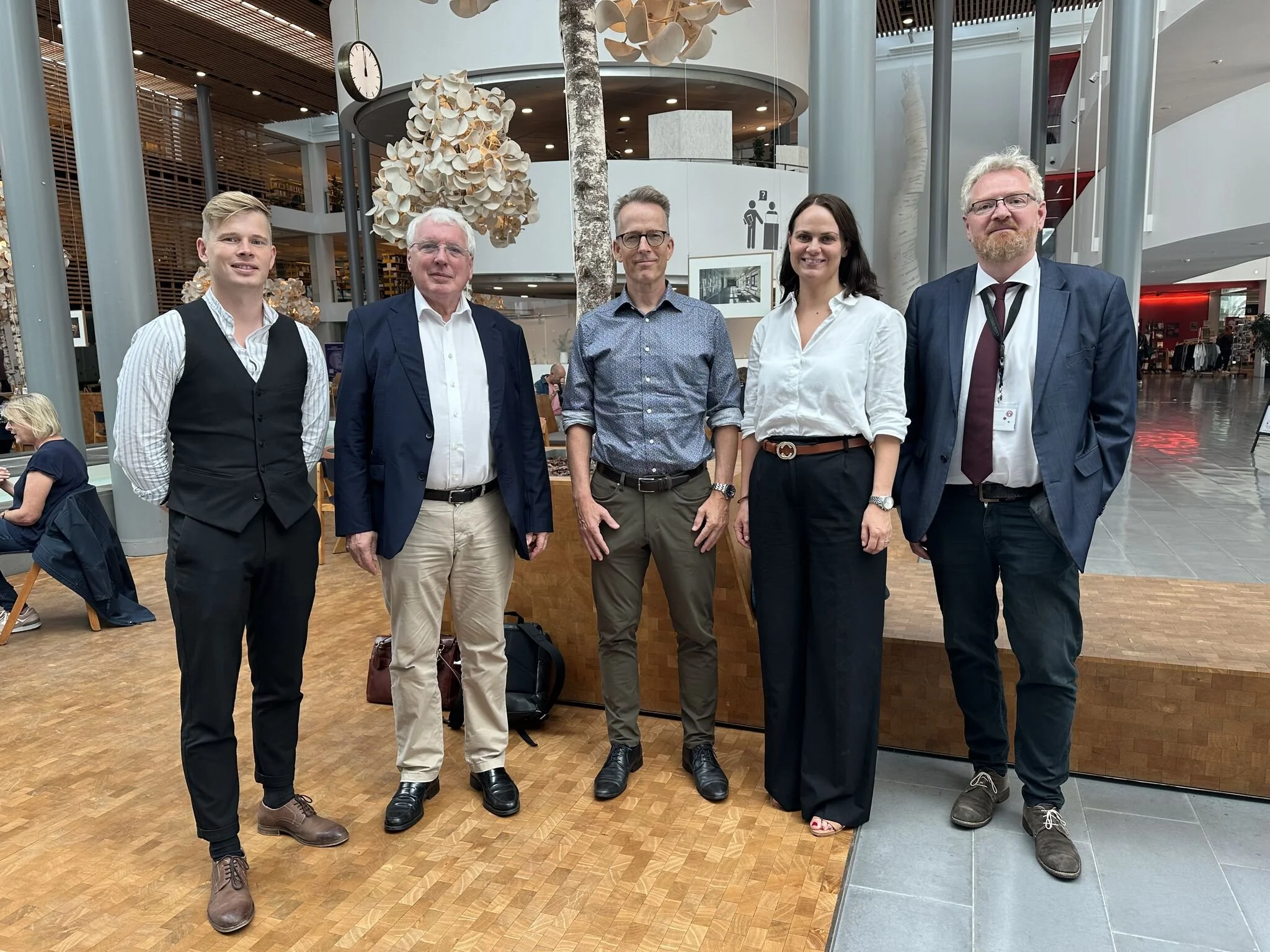
Project Team Workshop at Copenhagen University, Denmark
On 28–29 August 2025, the Mind the Gap research team gathered in Copenhagen for an internal workshop dedicated to sharing and critically discussing work in progress on the relationship between academic expertise and foreign and security policy-making in Denmark and Norway.
The workshop brought together project members to explore how knowledge travels between research environments, ministries, and the public sphere — and how these connections are shaped by institutional design, geography, and power.
Rasmus Mariager and Anders Dramstad presented new comparative research on the historical development of foreign policy institutes in Denmark and Norway. Their contribution highlighted how ministries have, over time, sought not only to support but also to shape and manage these institutes—revealing distinct national approaches to organising and steering policy-relevant expertise.
Jamie Shea presented work tracing NATO’s evolution as a decision-making arena, with particular attention to when, how, and why external expertise has been invited into alliance deliberations. The presentation sparked discussion about openness, credibility, and the boundaries between insider and outsider knowledge in international security institutions.
Finally, Sten Rynning and Anne Ingemann Johansen presented joint work on the security studies communities in Denmark and Norway. Focusing on patterns of academic impact and public visibility, they explored how factors such as institutional affiliation, proximity to political power, and national knowledge infrastructures shape who gets heard in public debate — and whose expertise travels into policy-making arenas.
Across sessions, discussions returned to a shared set of questions at the heart of the Mind the Gap project: How do small states organise policy-relevant knowledge? What barriers structure access to decision-makers and public platforms? And how do these dynamics shape foreign and security policy outcomes over time?
The workshop marked an important step in developing a shared analytical framework for understanding how Denmark and Norway connect research, expertise, and decision-making — and how these connections can both enable and constrain informed public debate.
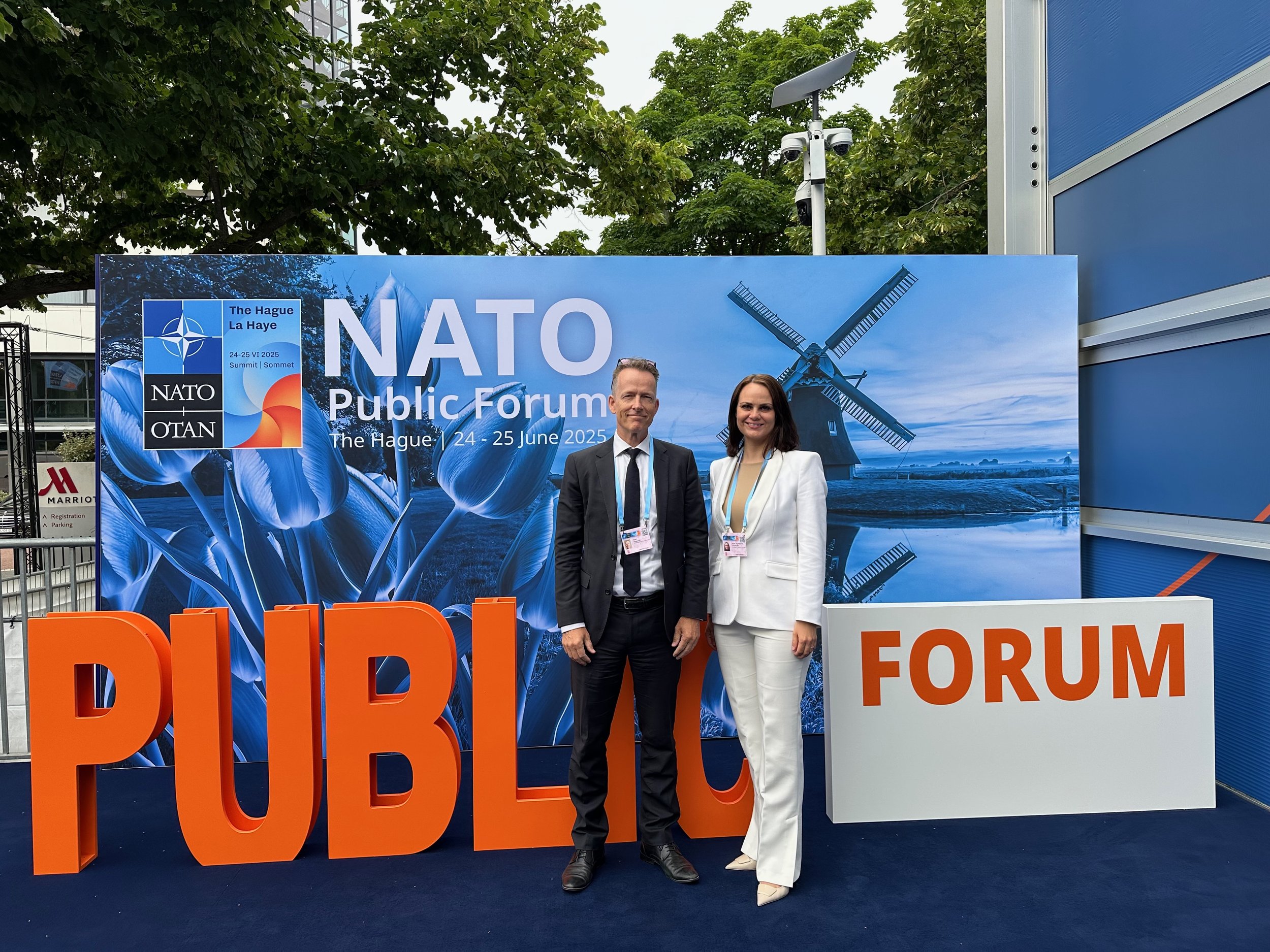
Mind the Gap at NATO’s 2025 Public Forum
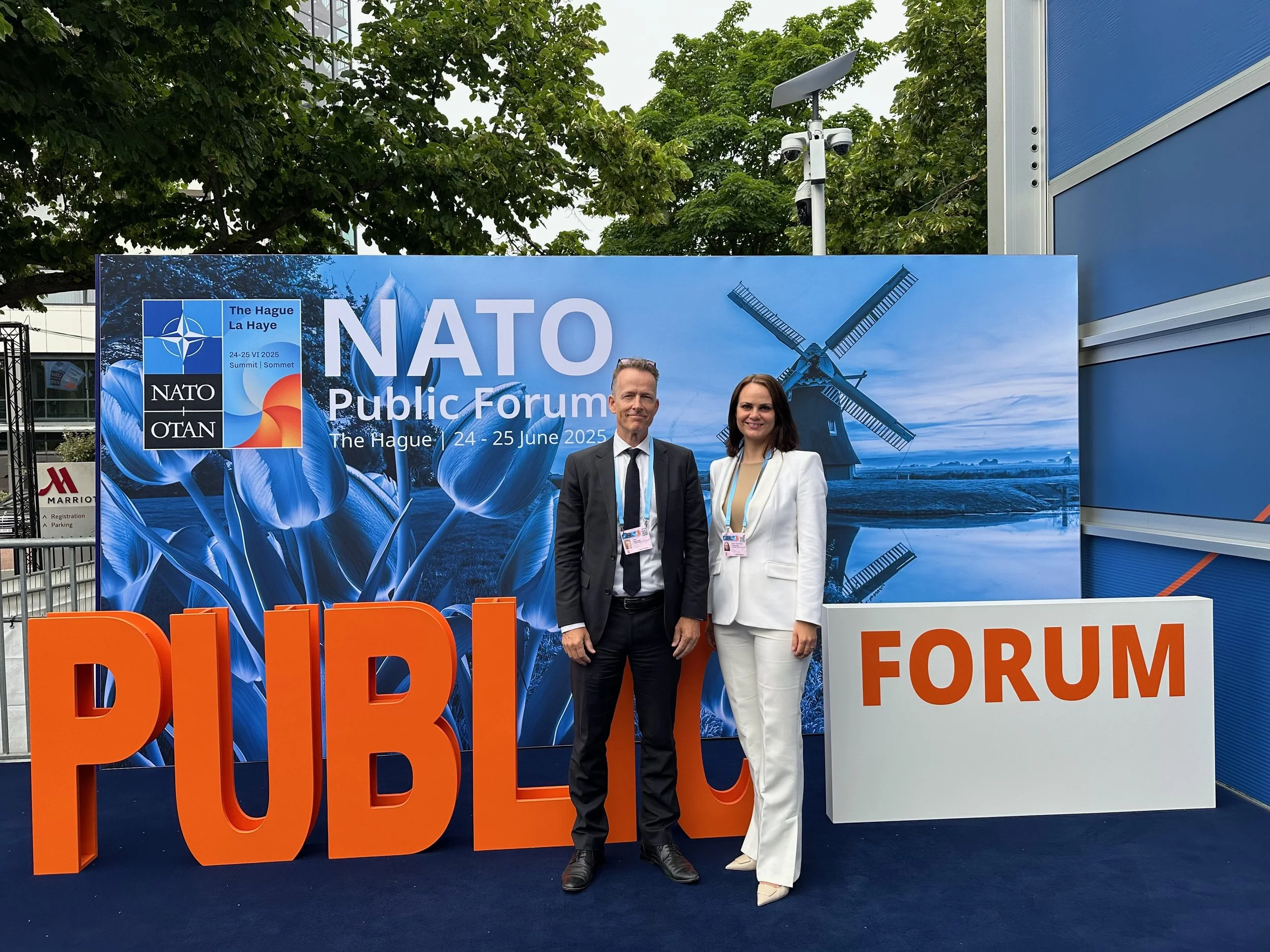
In continuation of our project’s core ambition to bridge the gap between academic research and security policy practice, Mind the Gap was represented at NATO’s 2025 Public Forum in The Hague.
Sten Rynning and Anne Ingemann Johansen participated in the Forum on 24 – 25 June 2025, which took place alongside the NATO Summit and brought together heads of state, policymakers, and experts to discuss the future of the Alliance. Their participation followed NATO’s selection of the University of Southern Denmark’s Center for War Studies as an official institutional partner.
By contributing academic insights to high-level policy discussions, Mind the Gap continues its work of engaging directly with the communities it seeks to understand—offering not just analysis from the outside, but active presence on the inside.
Read more about the NATO Public Forum here.

Exploring NATO policy: Visits to the Danish and Norwegian Ministries of Foreign Affairs
Sten Rynning and Anne Ingemann Johansen visited the Danish and Norwegian Ministries of Foreign Affairs to research current NATO policy development.

Project Team Workshop at the Club Prince Albert in Brussels, Belgium
Team Mind the Gap met up for fourth project workshop from 27-28 January 2025, which was generously hosted by Prof. Sven Biscop from Egmont – The Royal Institute for International Relations at the Club Prince Albert in Brussels, Belgium.
Project Team Workshop at the Arctic University of Norway in Tromsø, Norway
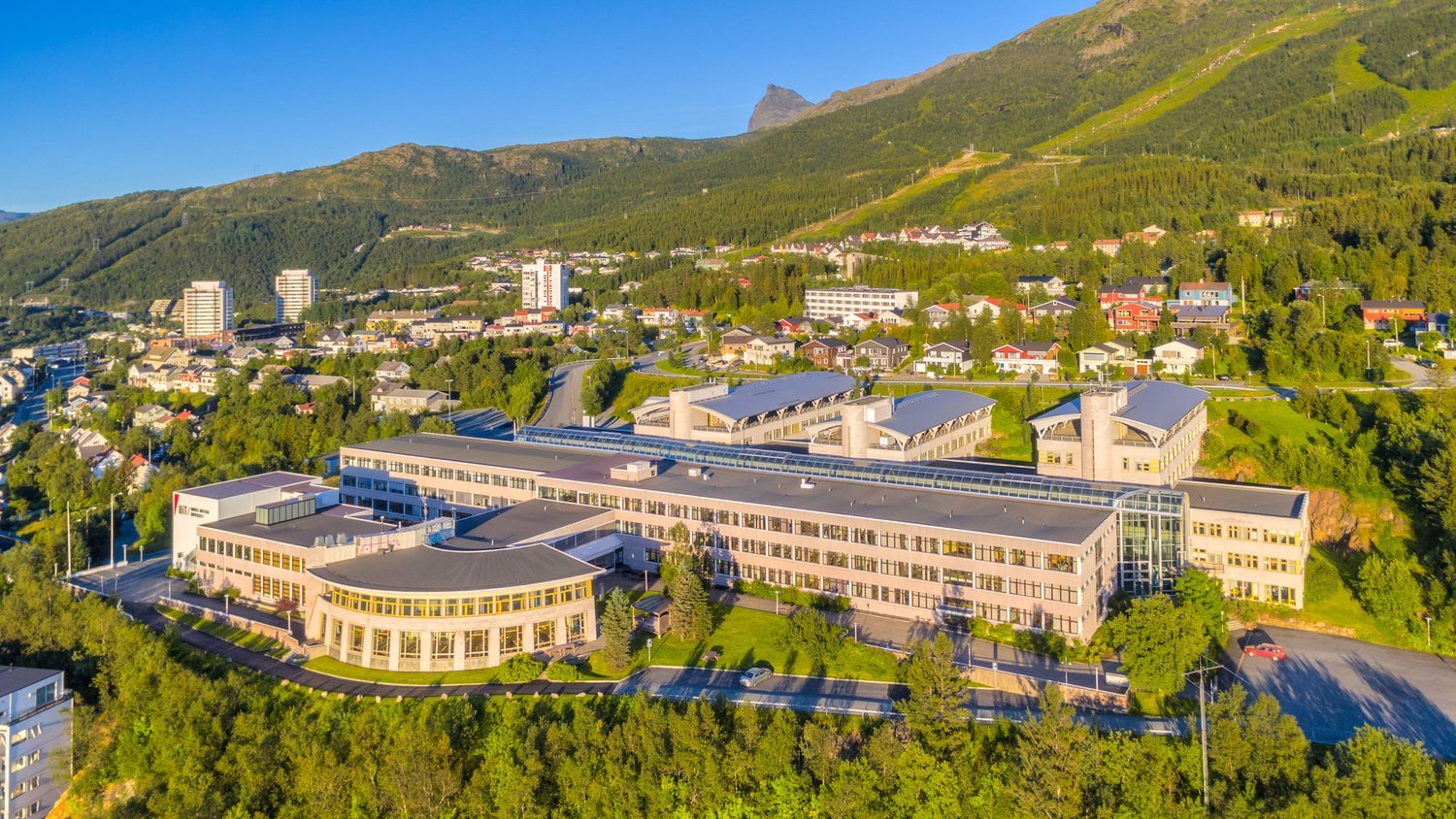
The Mind the Gap project team met up for a third project workshop from 21-24 August 2024, which was hosted by Prof. Gunhild Hoogesen Gjørv at the Arctic University of Norway in Tromsø, Norway.

Project Team Workshop at the Saxo Institute at the University of Copenhagen
The Mind the Gap research team met up for a second project workshop in Copenhagen from 4-5 December 2023 where we welcomed Anders Dramstad to the team. Anders, a talented and trained Norwegian historian, will collaborate with Prof. Rasmus Mariager on the historical inquiries into the gap.

Kick-Off Workshop at the Royal Danish Academy of Sciences and Letters
The Mind the Gap research team met up for a first kick-off workshop in Copenhagen from 10-11 August 2023 to engage in creative thinking on how we are to explore the gap in one of the most sensitive policy areas of all: National Security Policy.